We don’t just treat you. We stay with you.
Thirty days on campus is the start. What keeps people well is what happens in the months and years after. So we built the second half of treatment as carefully as the first: a person who knows you, calls that have a purpose, a fast way back into care, and a community you’ll want to come back to.

What staying with you means
to your first call after you leave, at most
with a clinician in your first year
of quarterly checkups
in the alumni community, with no end date
Two things, working together.
Most alumni programs are a social club. Ours is a recovery system with a social life. One side keeps you connected. The other keeps checking that you’re okay, and acts when you’re not.
A place you want to come back to
- A weekly alumni group, in person and online
- One big outing every month
- Low-cost local get-togethers in between
- Support for your family
- Ways to give back as an alumni volunteer
People whose job is to check on you
- A named navigator you meet before you leave
- Calls on a schedule, with a purpose
- Checkups with a licensed clinician
- Help keeping your medication going
- A fast way back into care, without judgment
It starts before you leave.
Nobody walks out of here with a phone list and a handshake.
A named person, introduced while you’re still in treatment. Theirs is the number you’ll already have when something gets hard.
Your medication, your next appointments, where you’ll live, how you’ll get around, who you’ll lean on, what you want next, and what we do if you use again.
We book the appointment with the counselor, the outpatient program, or the prescriber, and we confirm the ride. Then we check that it happened.
If you leave before your team advises, you’re still ours. You get the same calls and the same door back in.
The pathway: day one to year five.
This is the floor, not the ceiling. When you need more, you get more. When you’re steady and want less, you tell us.
- First 48 hoursWe call to make sure you landed safely.
We confirm your medication, your housing, your ride, and your next appointment.
- Day 7We check that the handoff happened.
Did you see the counselor, the prescriber, the program we set up? If not, we fix it.
- Weeks 1 to 4Every week, one to one.
Your navigator calls every week. When you need more than a peer, a licensed clinician picks up the phone.
- Months 2 and 3Weekly, or every two weeks once you’re steady.
With a full check-in at day 30, day 60, and day 90.
- Months 4 to 12Every month, and weekly again whenever you need it.
With a clinical checkup at 3, 6, 9, and 12 months.
- Years 2 to 5A checkup every quarter.
And a fast way back into care if you ever need it. Doing well and want fewer calls? You say so.
- For lifeThe community never expires.
The weekly group, the outings, the people. Once you’re one of ours, you stay one of ours.
Every call has a job.
This isn’t a courtesy call. Each time we talk, we check seven things, write down what’s in the way, and do something about it.
- 01Any use, and your safety
- 02Cravings
- 03Mood
- 04Medication and appointments
- 05Housing and the basics
- 06Who you’re connected to
- 07One goal that is yours
If you use again, we don’t close the door.
A return to use is a signal that you need more support, and that is exactly when we lean in. We help early. We don’t police your sobriety.
A clinician looks at it
Our target is a review by a licensed clinician the same working day you tell us, or we notice.
A real appointment
Our target is to have you in front of the right care within one to three days. Coming back to residential is one option, and it isn’t automatic.
Medication is treatment
If you take prescribed medication for opioid or alcohol use disorder, that is treatment working. We help you keep it going.
We keep calling
You stay in the community and on our call list. You decide if you want us to stop, and you can change your mind.
And a community worth showing up for.
Recovery has to be a life you want to stay in. Every week there’s a group. Every month there’s something you’d tell your friends about. All of it is optional, and there’s always something that costs nothing.
- Tandem skydiving
- Paintball
- Escape rooms
- Bowling
- Cookouts
- A rage room
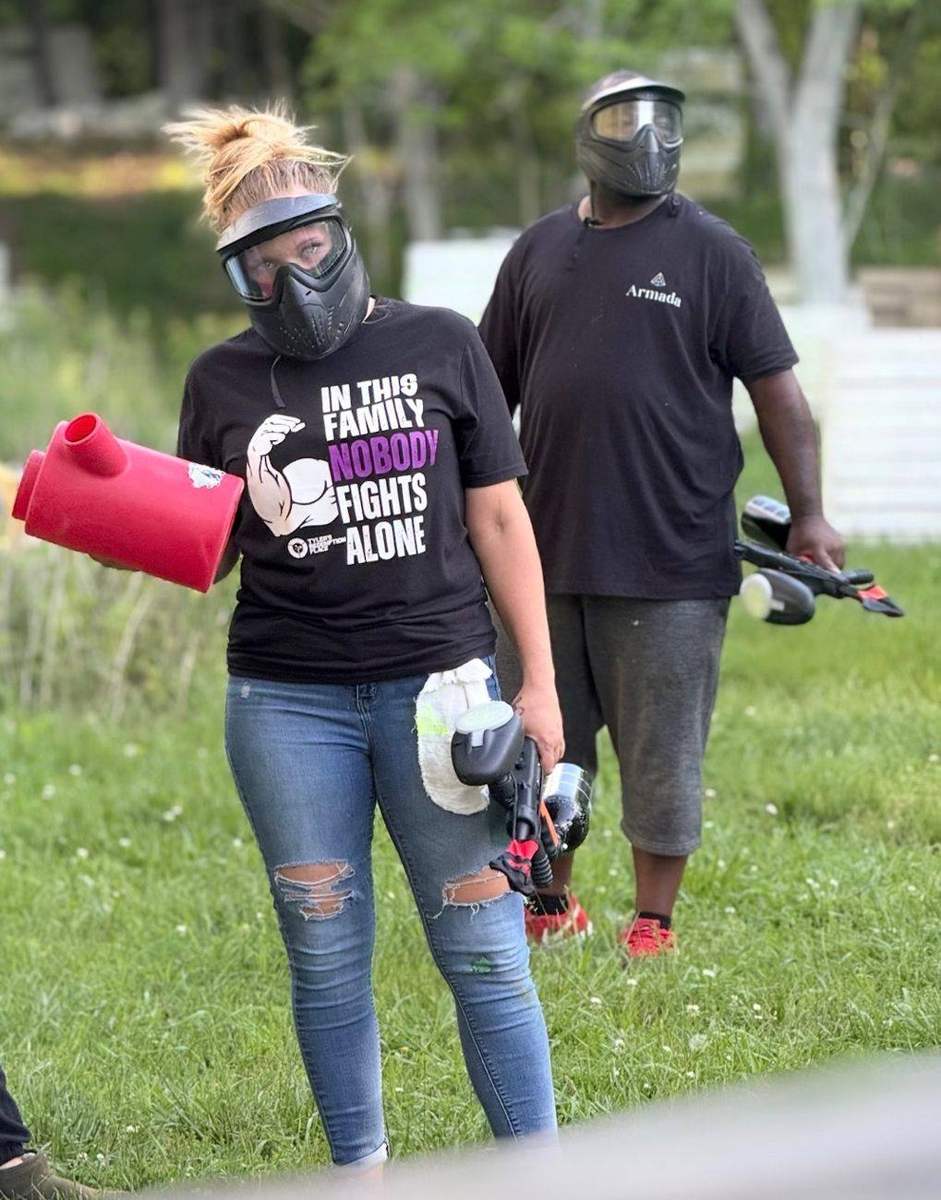

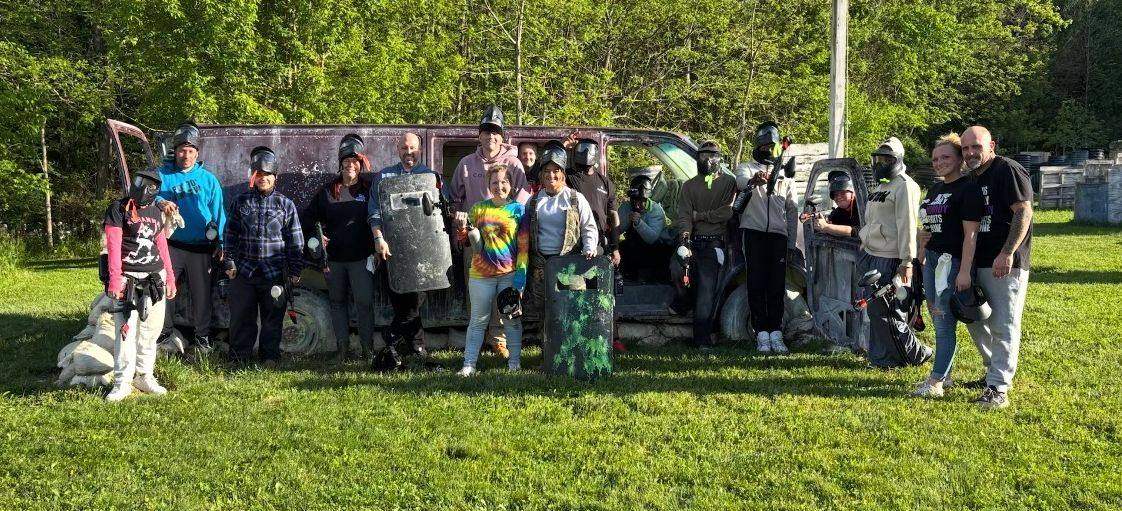
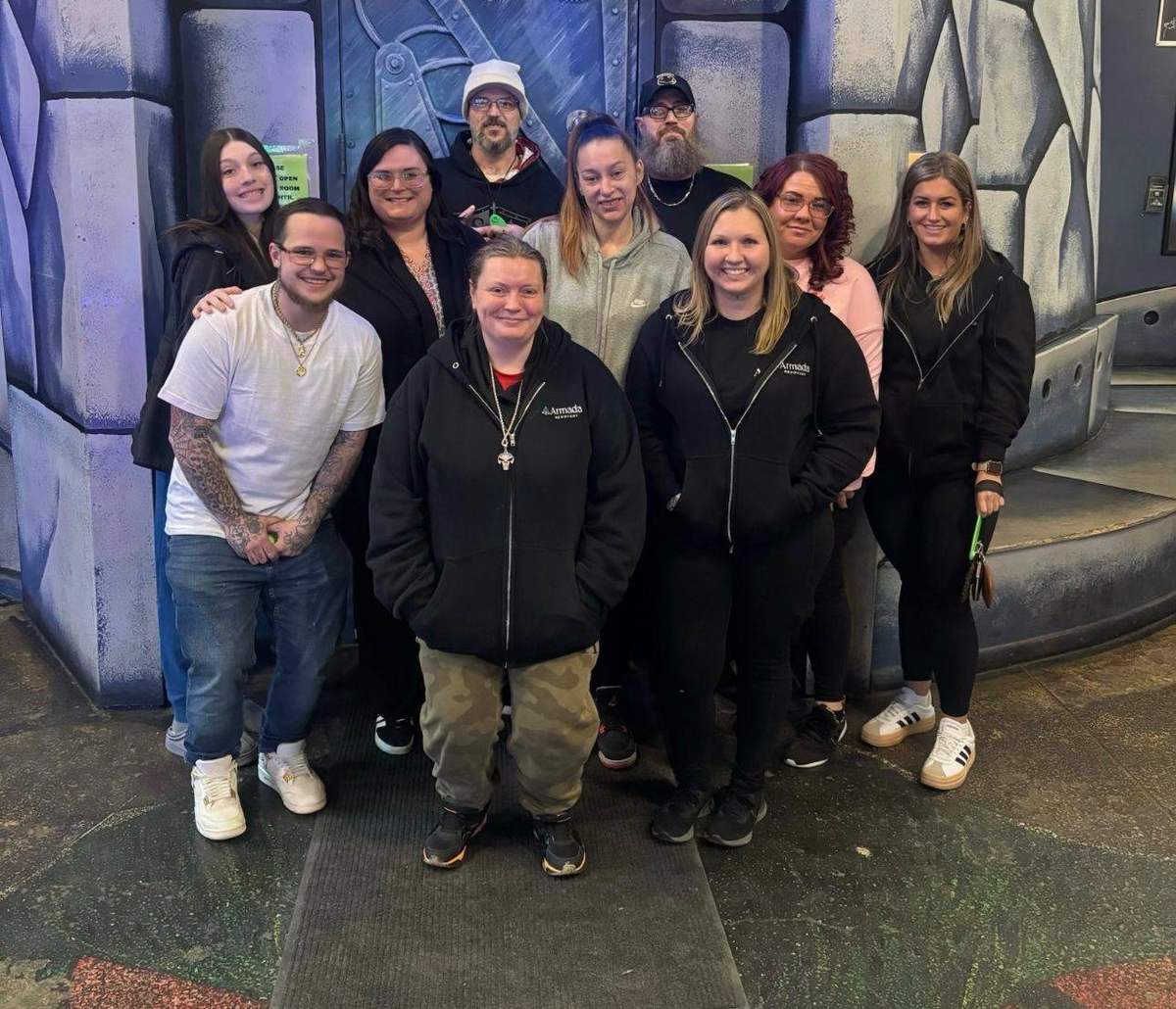
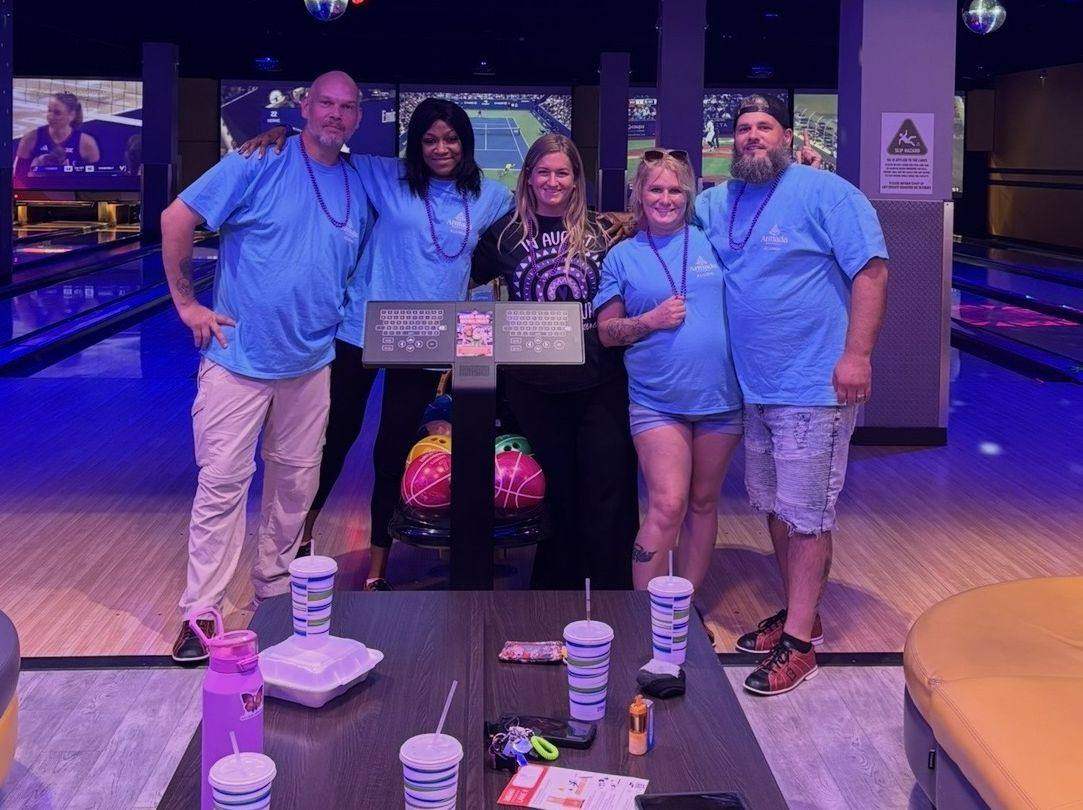
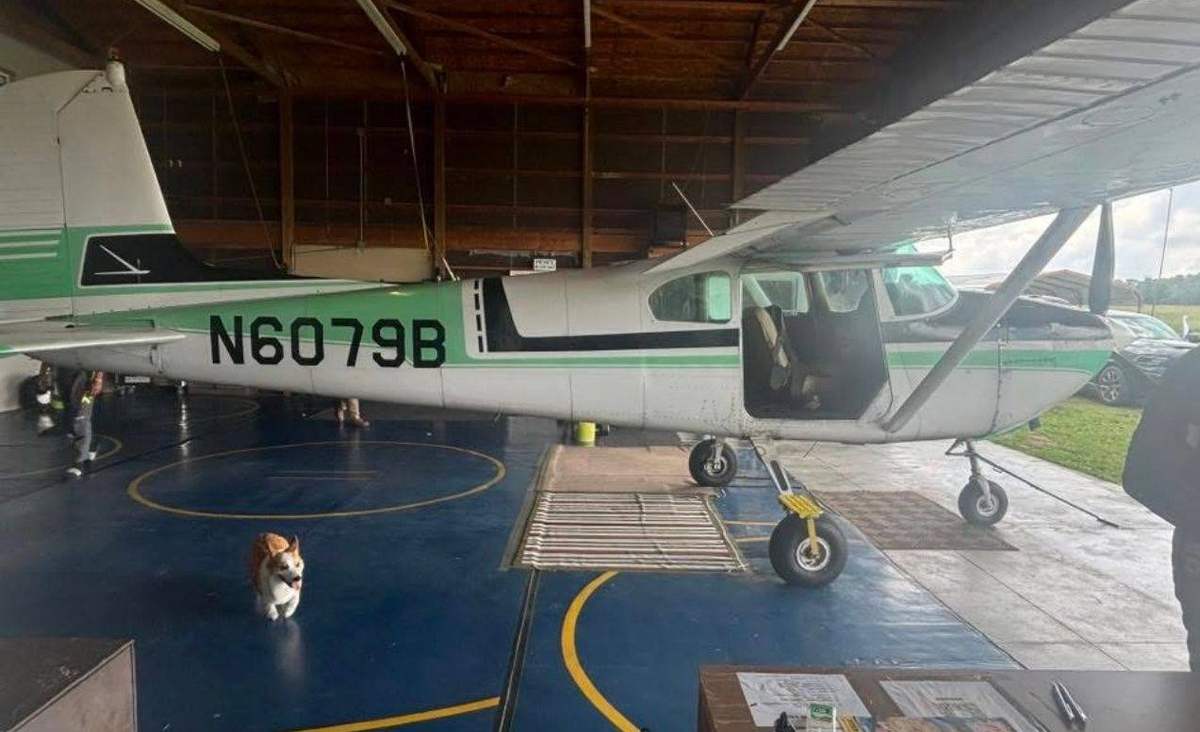
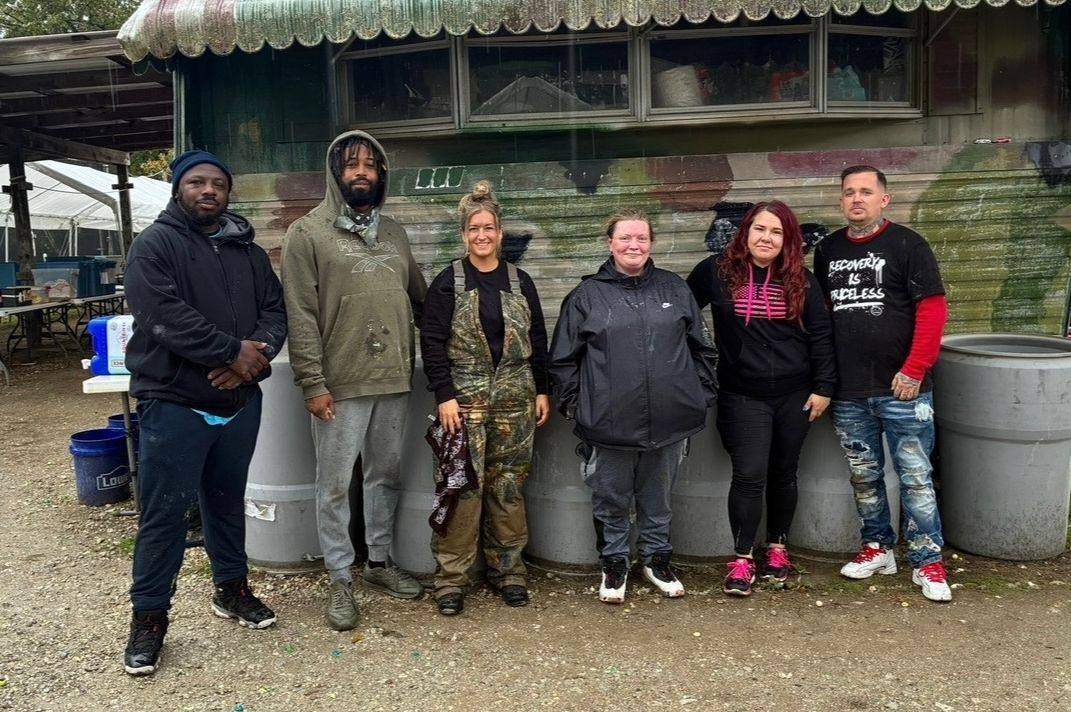
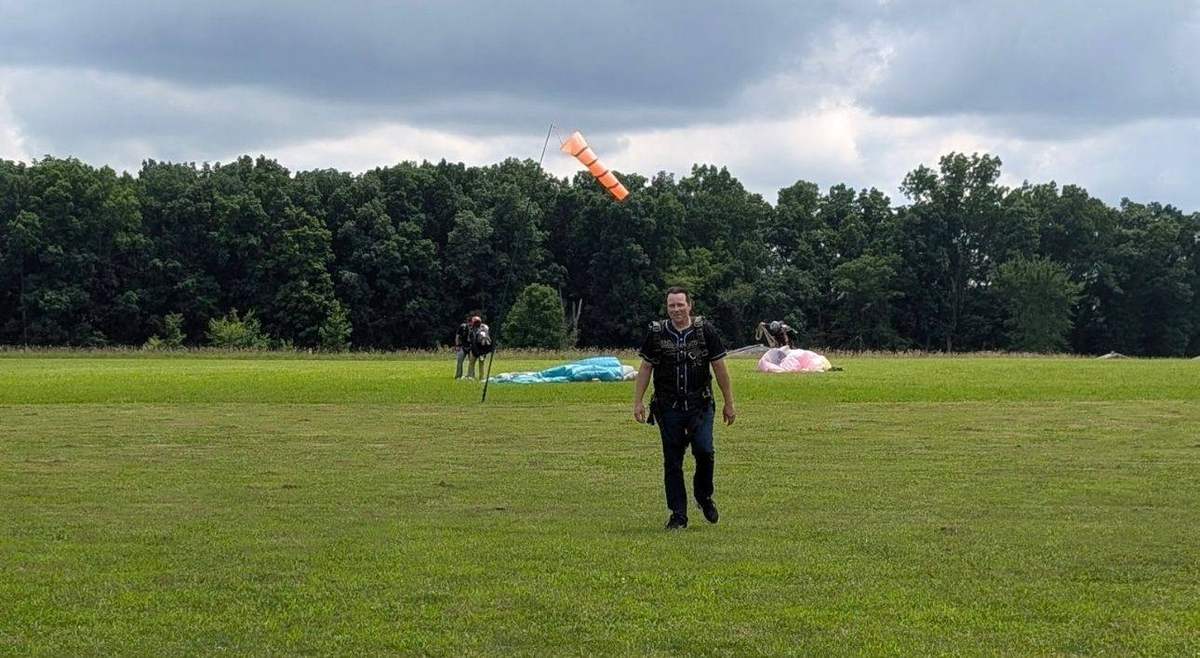
Photos from alumni outings in our team’s Armada Recovery programs.
The people who stay in your corner
A peer who has been there
Trained, supervised people in recovery themselves. They call, they listen, and they help with the practical things: rides, appointments, a meeting to walk into.
A licensed counselor
Dedicated to people who have already left. They run your checkups, step in when a call turns clinical, and decide what care you need.
Support for them too
Families recover alongside you. With your permission, we stay in touch with yours and point them to help of their own.
Dr. Vicki E. Burdine, MD
Our Chief Medical Officer sets the medication and safety protocols the alumni team works to.
Built on research, not on a hunch.
We modeled this on the continuing-care methods with the strongest published evidence. These are other people’s studies of those methods. They are not Wheatfield’s results.
A four-year randomized trial of 446 adults compared quarterly recovery checkups, with active help returning to treatment, against assessment alone. The checkup group had more days without use, and more of them got back into treatment when they needed it: 70% against 51%.
Dennis & Scott, 2012A review of 19 randomized trials found that continuing care after treatment helps on average, and that the programs that worked best tended to last a year or more and to reach out rather than wait.
McKay, 2021A Cochrane review of 27 studies found that actively connecting people to AA and twelve-step support improved continuous abstinence from alcohol. So we don’t hand you a directory. We introduce you and help you get to a first meeting, whether that’s AA, NA, or SMART.
Kelly, Humphreys & Ferri, 2020We count everyone. Including the people we can’t reach.
Most treatment centers report how the people who answered the survey are doing. That flatters the numbers. We follow everyone who leaves, including people who left early, and we will publish how many we reached and how many we didn’t. Someone we can’t find is counted as unknown, never as a success.
Our first target: to reach at least 70% of everyone who leaves at 30 days. That is a goal we hold ourselves to, not a result we are reporting.
Alumni support is not an emergency service. If you are in crisis, call or text 988. In an emergency, call 911.
Once you’re one of ours, you stay one of ours.
Everyone who comes through Wheatfield is alumni, however and whenever they leave.
You are not alone. We are all behind you.
In an emergency, call 911. If you are in crisis, call or text 988.