Recovery can be fun.
Recreational therapy in Wheatfield, Indiana
Part of getting well is remembering what you enjoy. On this campus there’s room for that.
Call any time. Confidential. A real person answers.
What is recreational therapy?
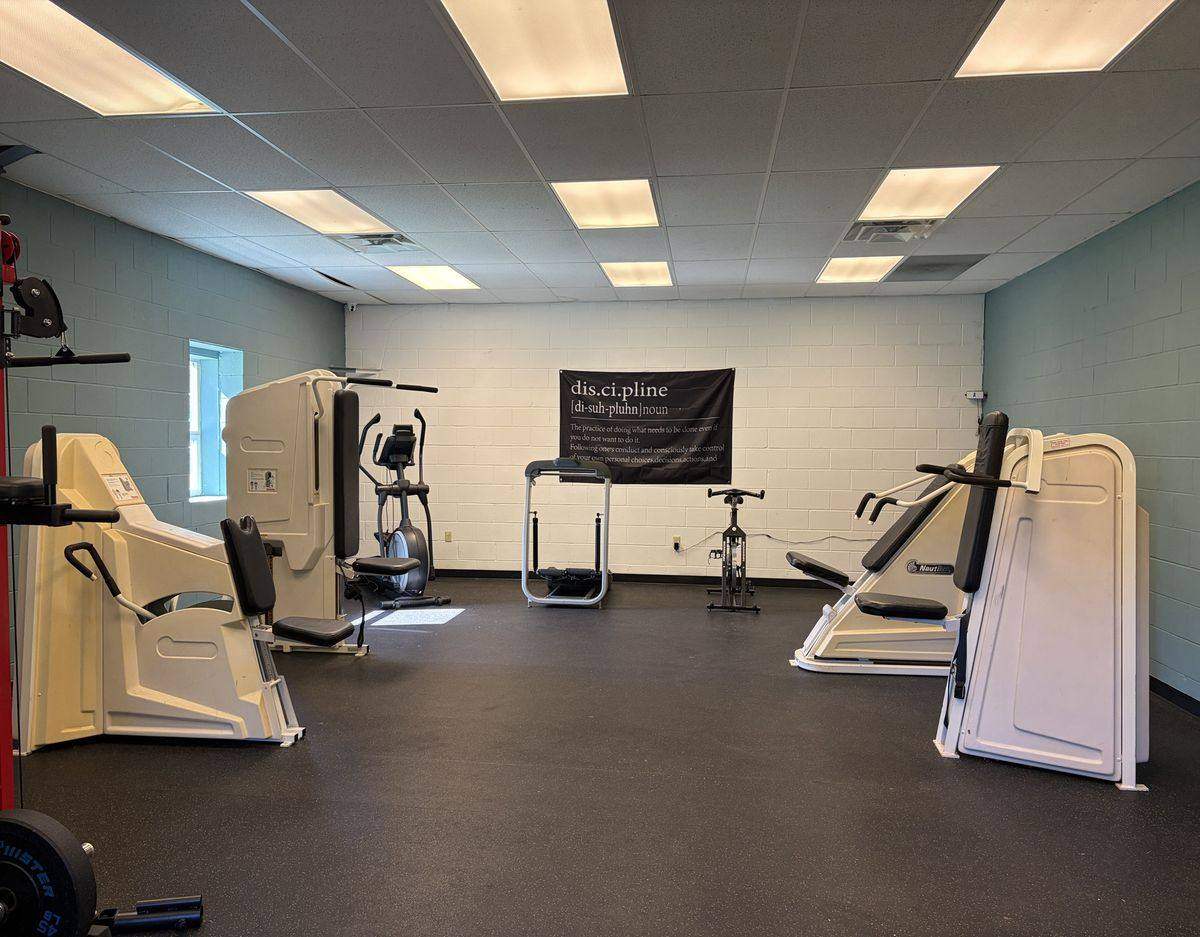
It uses enjoyable, structured activity to support mental health during treatment: moving your body, working with your hands, being part of a team.
How does it help?
It gives you practice at things recovery asks of you every day, such as problem-solving, setting goals, and handling frustration, in a setting that isn’t a therapy room. It supports clinical care and never replaces it.
Programs
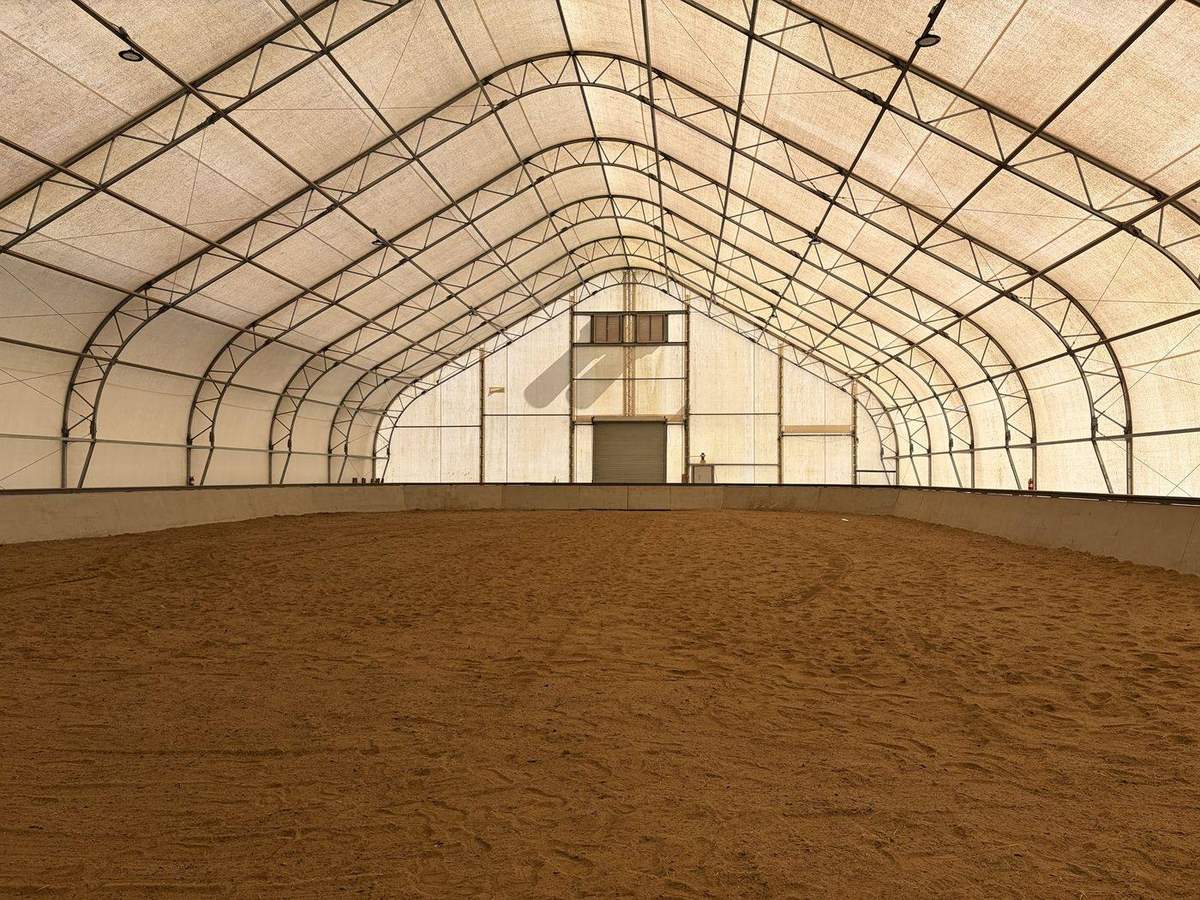
- Equine therapy, with horses brought to campusReady for opening
- Mechanic shop: hands-on trade trainingOn campus now
- Woodworking shopOn campus now
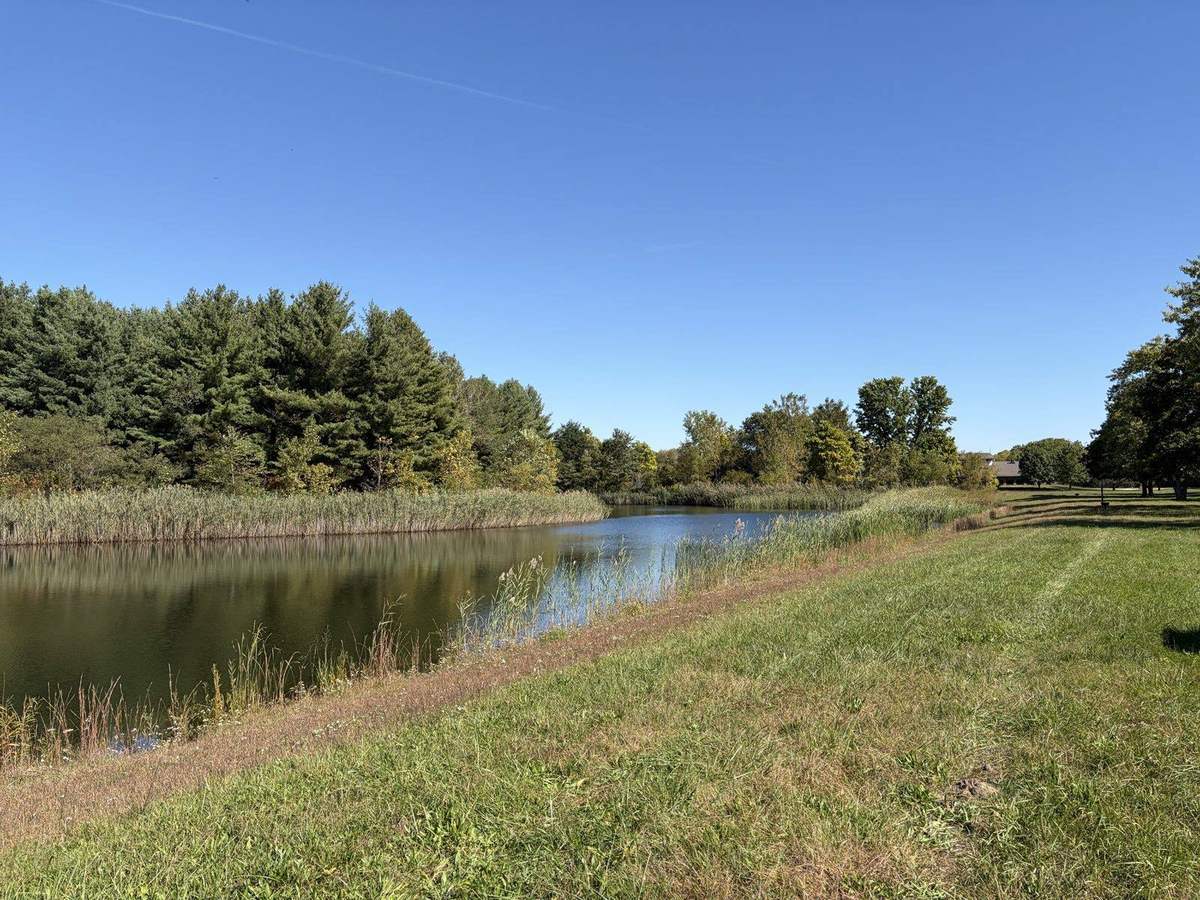
- Canoes on the lakeOn campus now
- Art and music roomsReady for opening
How we keep it joyful
Engaged staff, engaged clients. People do better in a place where the people looking after them want to be there, so we put real effort into both.
Staff appreciation tables
A spread for the team, with thank-you notes. Recognition is a funded part of how we run.
Raffles
Regular raffles for staff and clients.
Holiday events and game days
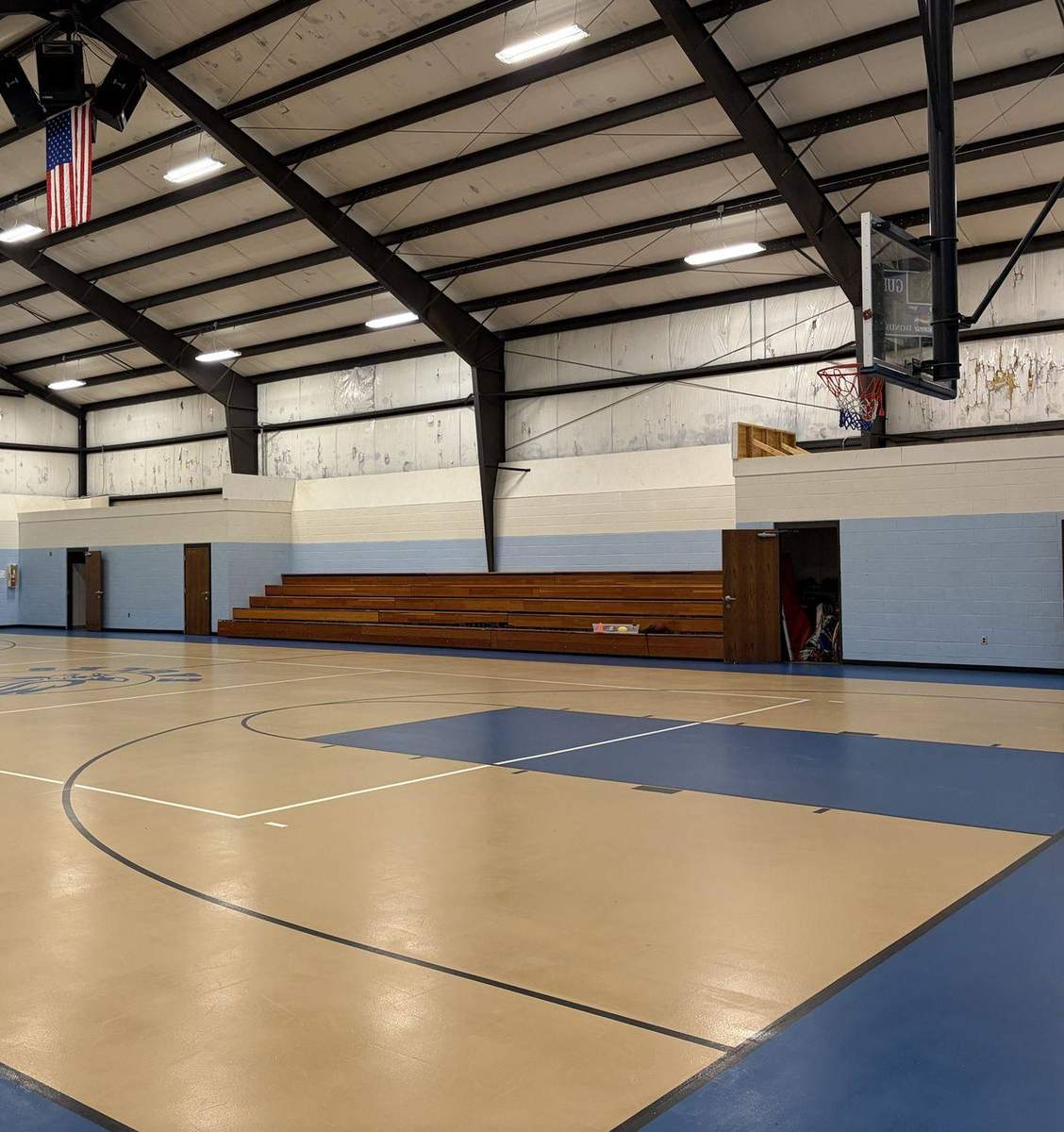
The holidays are marked properly, on campus, together. So are game days, with food-truck lunches and themed spreads.
Game-ticket giveaways
Tickets to local games.
A sample week, and a sample month.
Recreation supports clinical care. It never replaces it.
Sample week on campus
Sample month for alumni
Common questions
How much of the day is recreation?
It is one part of a day built around clinical care. In our sample weekday, program time runs from 2:30 to 4:30 in the afternoon, after the morning’s groups and therapy.
Do I have to take part?
We’ll encourage you, and we won’t force you. Most people find something here they like.
You are not alone. We are all behind you.
In an emergency, call 911. If you are in crisis, call or text 988.